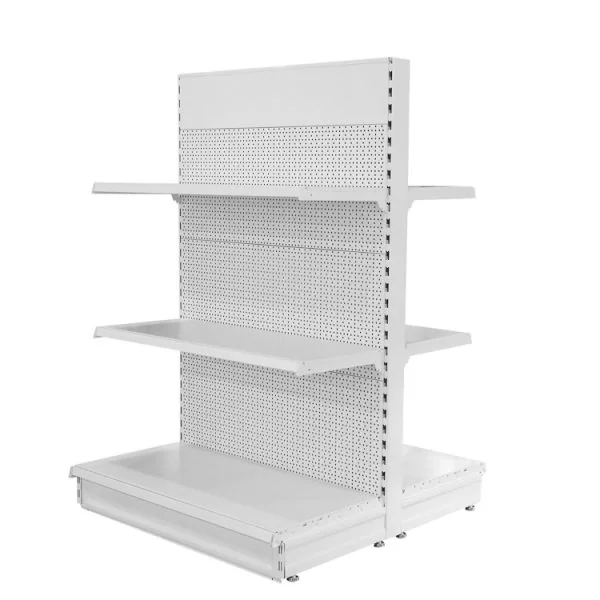
Display shelving
Supermarket Gondola Shelving
Gondola systems finished to your colour rather than the default retail white. The same frame that carries grocery volume carries a light merchandise plan at a fraction of the shelf load.

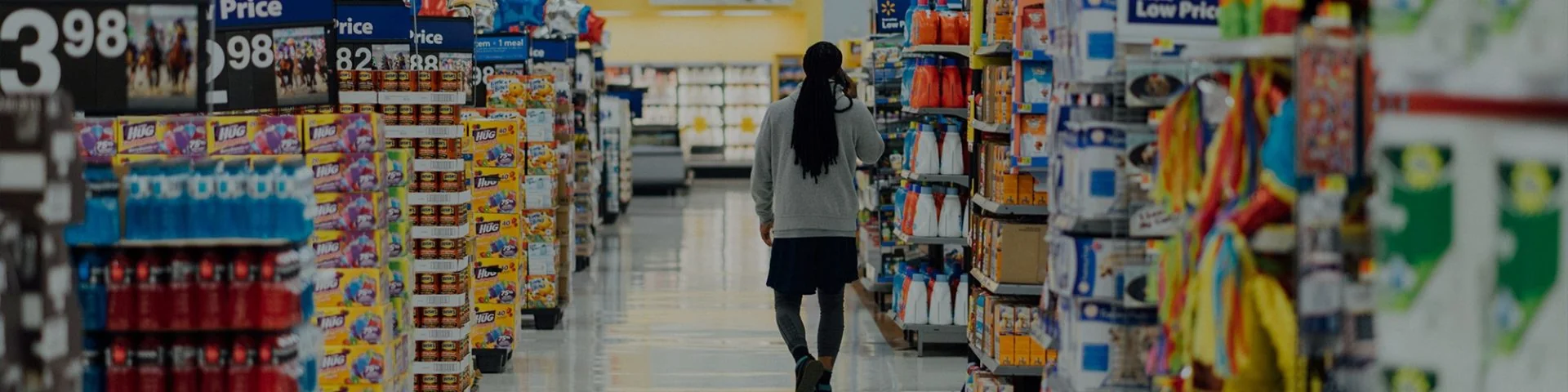
Shelving, display fixtures and counters powder coated to your colour, held to one spec across a chain rollout.
Specialty and chain retail has a requirement grocery does not: the fixtures have to look like they belong to the brand, and they have to look the same in store nine as in store one. That pushes the work from catalogue picking towards specification, since colour, finish and proportion matter as much as load rating. JTD Jinta powder coats to your colour and holds the spec across repeat orders, which is what makes a rollout look like one chain instead of nine fit-outs.
Each line below does one job on the floor. They are listed in the order the decisions have to be made, because each one constrains the next.
Gondola systems finished to your colour rather than the default retail white. The same frame that carries grocery volume carries a light merchandise plan at a fraction of the shelf load.
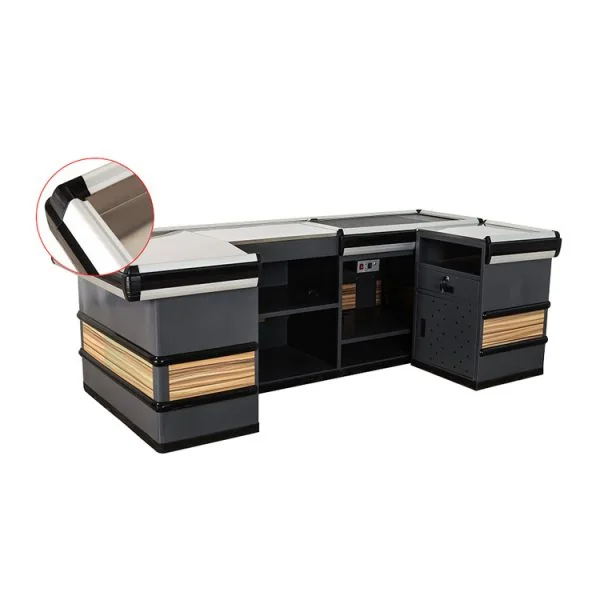
In specialty retail the counter is a brand surface. It is the fixture customers stand closest to and look at longest.
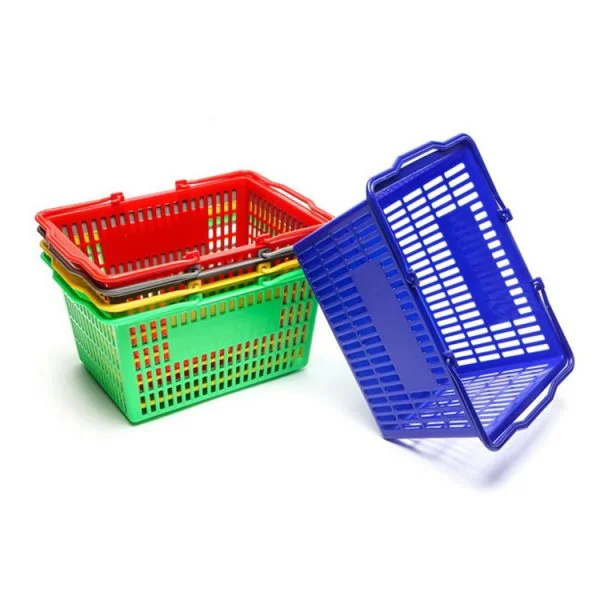
Basket colour is one of the cheapest brand touches in a store, and it is in the customer hand for the whole visit.
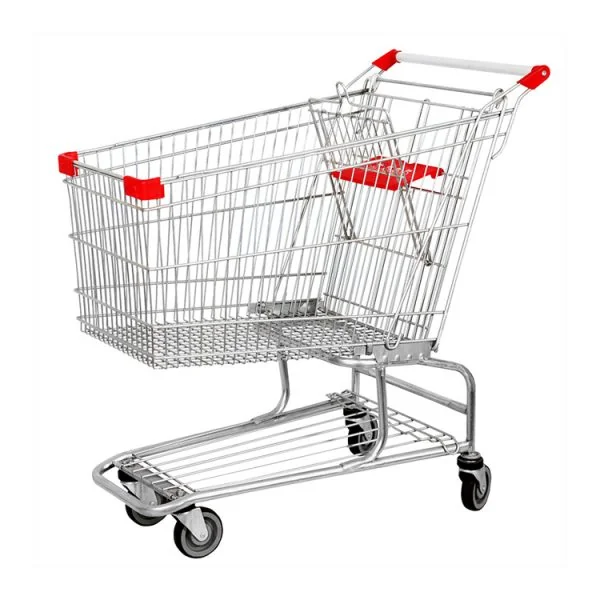
For larger-format retail. Styles differ by region, so a chain operating across markets often needs more than one.
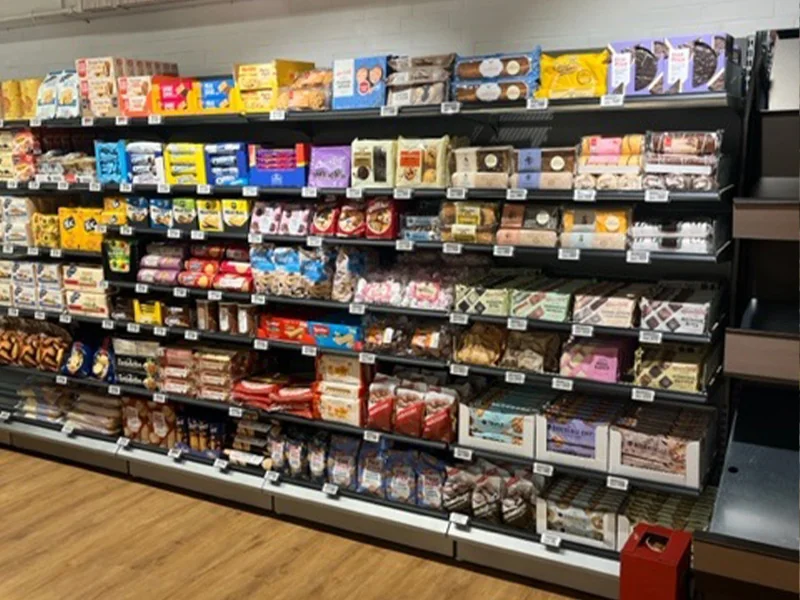
Powder coat drift between suppliers or between batches is the usual reason store nine does not match store one. We keep the colour reference on file against the account so repeat orders match the original run.
A clothing or homeware plan loads a shelf at a fraction of what canned goods do. Specifying grocery-grade shelves for light merchandise is a common way to overpay without gaining anything the customer can see.
Fixture counts that work for one store often will not repeat cleanly across a chain with varying floor plates. Agreeing a bay module up front makes each subsequent store a quantity question rather than a new drawing.
End caps, counter fronts, basket bodies and trolley panels all take print or a custom colour at little extra cost when specified with the order. Retro-fitting them later rarely looks the same.
Fit-outs supplied with JinTa fixtures in Britain, China, Denmark. Tap any photo to enlarge.
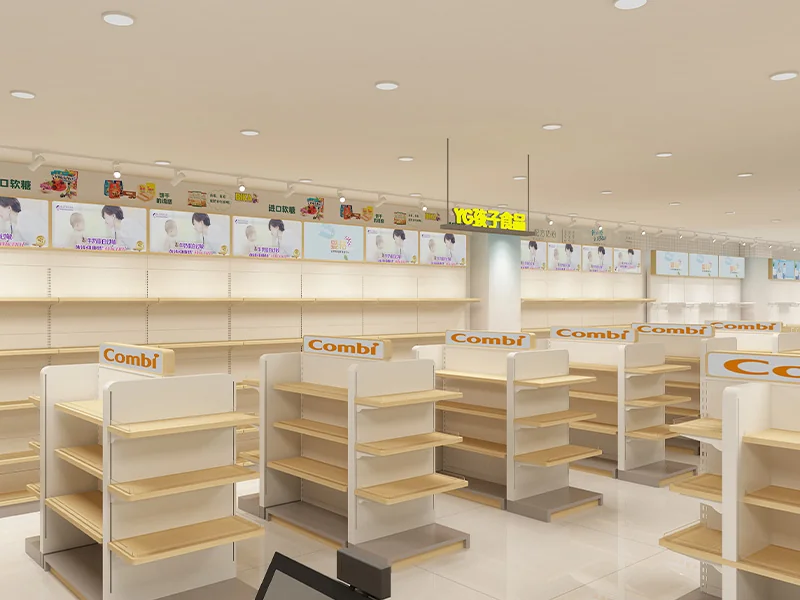
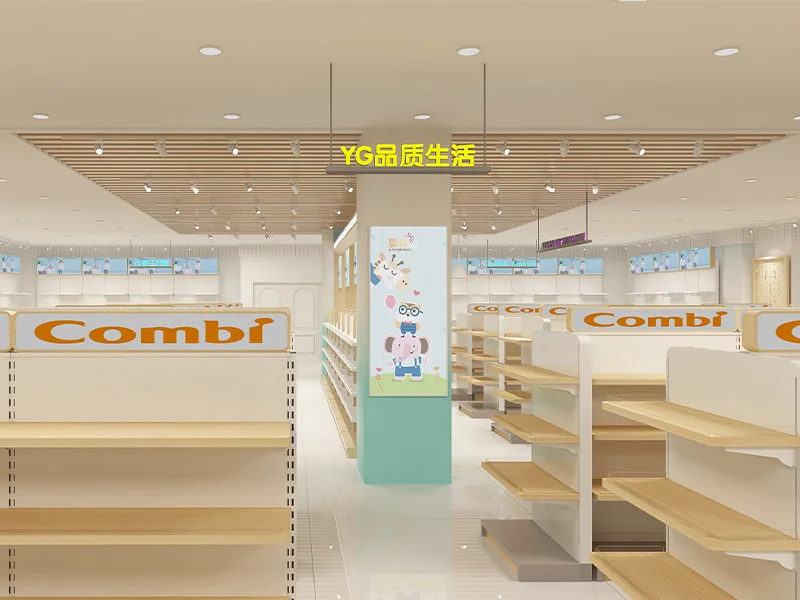
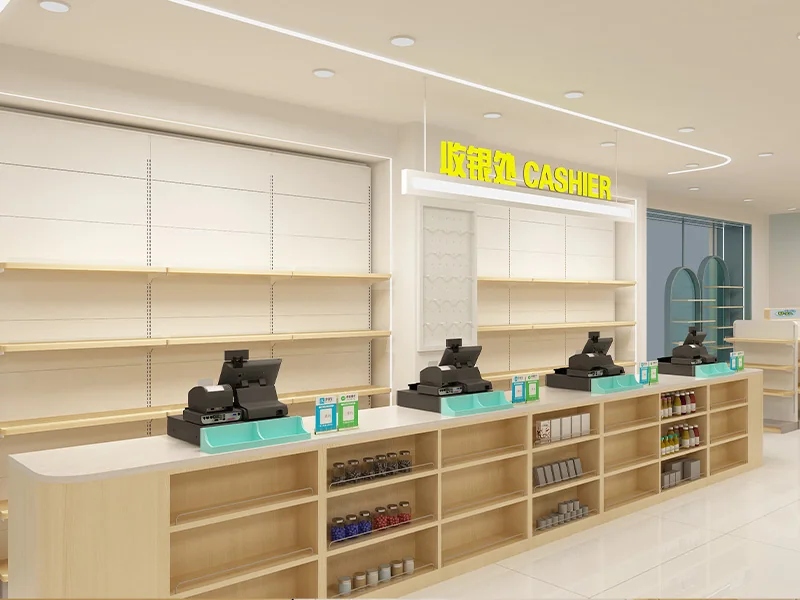
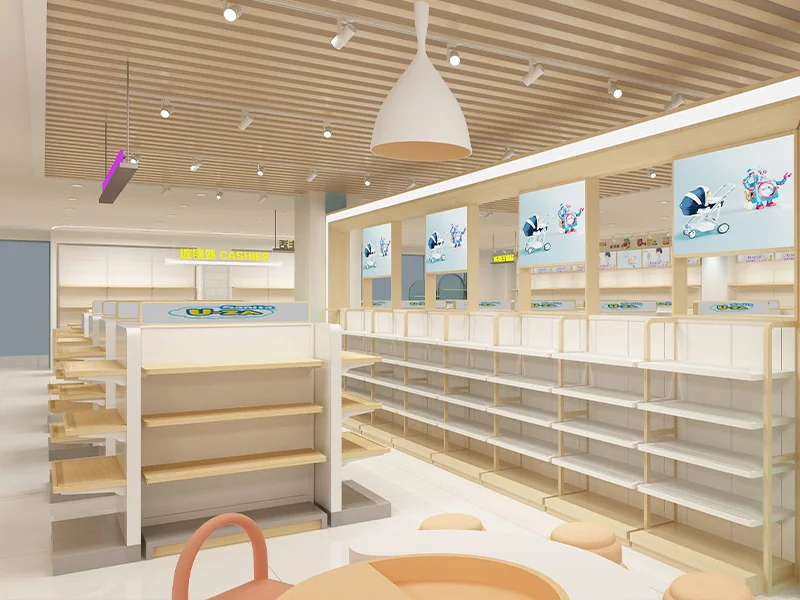
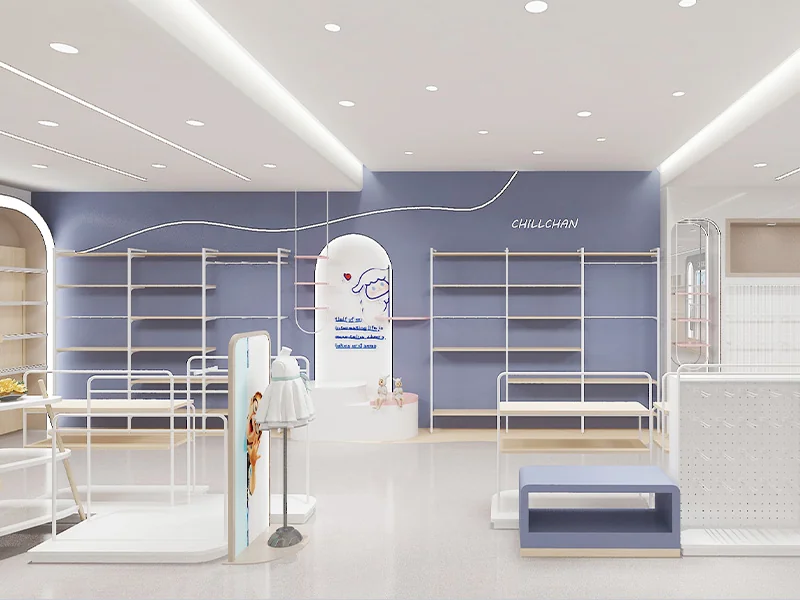
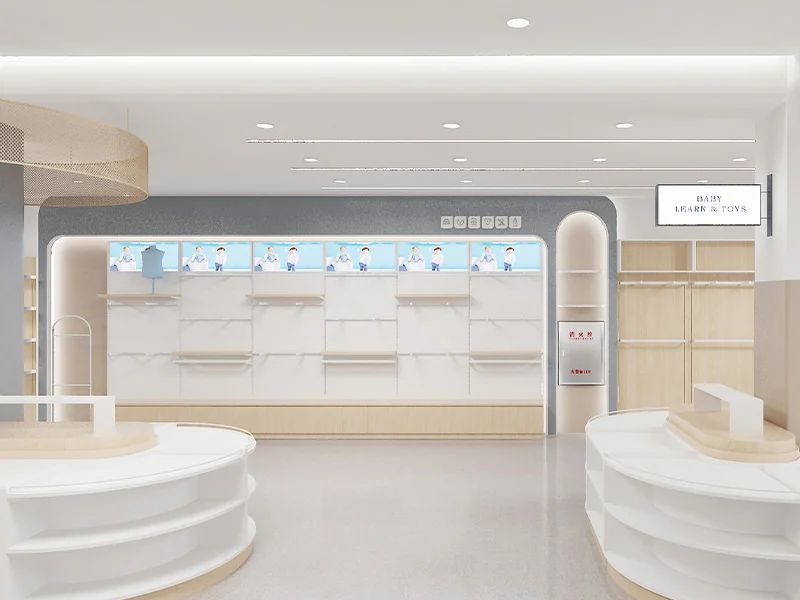
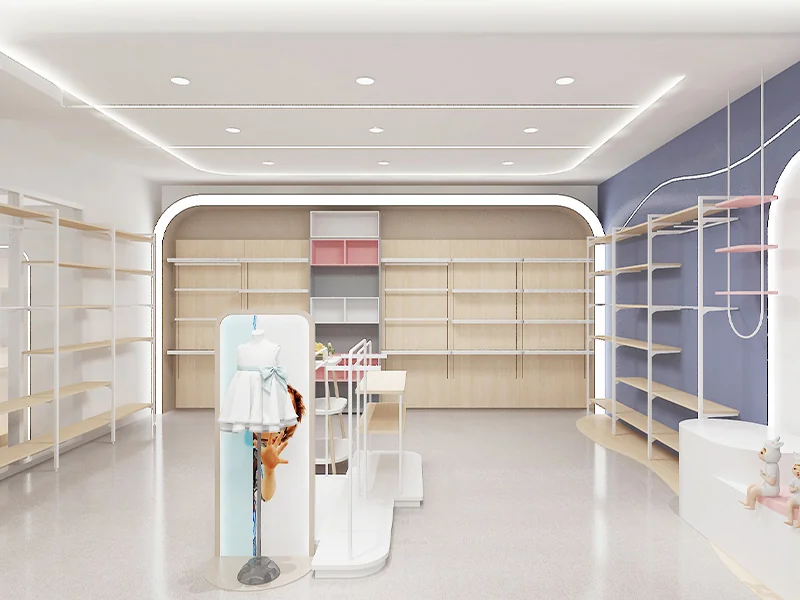
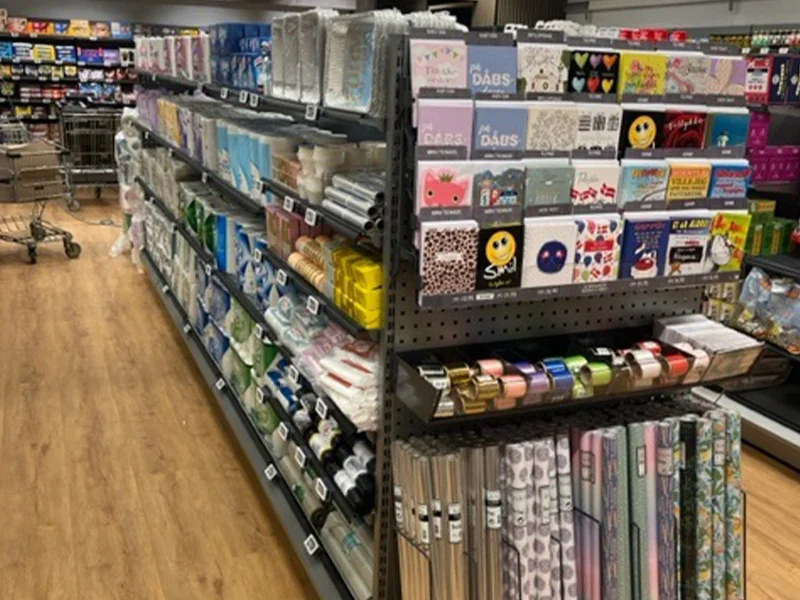
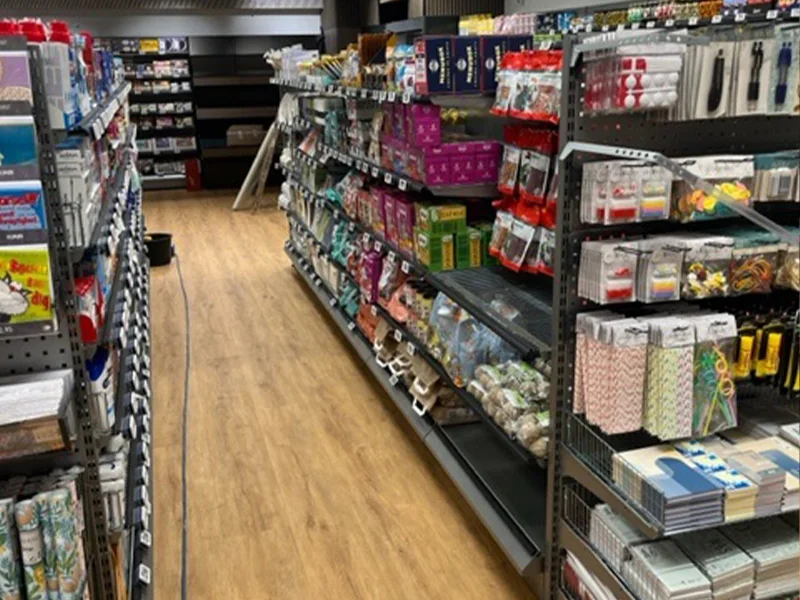
Same plant, same four-line logic — what changes is the configuration. A convenience store needs the same gondola in a shallower depth; a fashion floor swaps shelves for rails. Pick the format closest to yours.
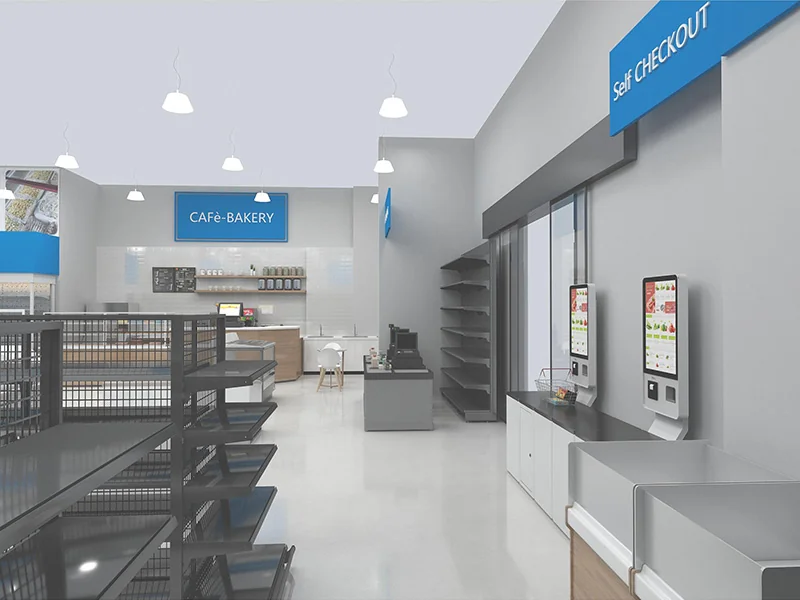
Gondola runs, checkout counters, trolleys and stockroom racking, sized to one aisle plan and shipped together.
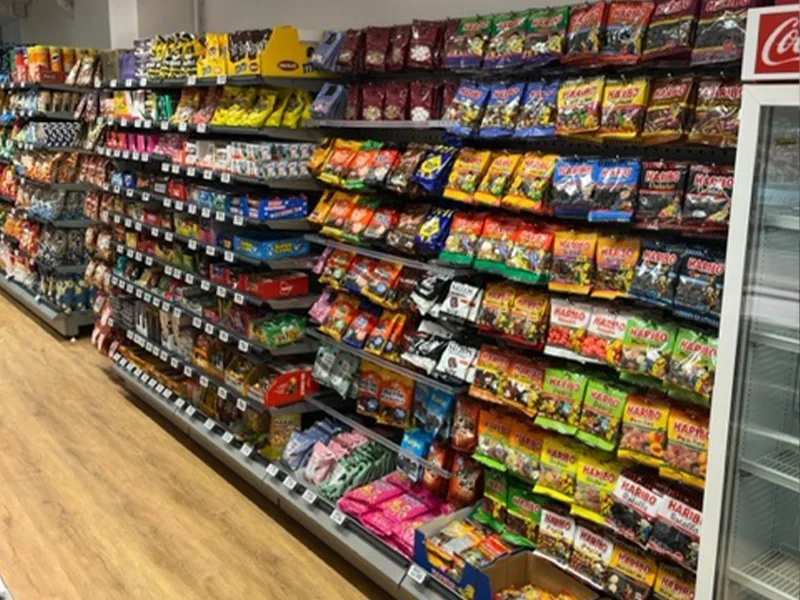
The same gondola systems as a supermarket, configured shallower and shorter for a small footprint.
Browse by fixture instead of by store type: gondola shelving, racking, trolleys, baskets, counters and wire containers.
The physical furniture that holds and presents stock: shelving and gondola units, display tables and racks, checkout counters, and the baskets and trolleys customers carry. In practice buyers use "fixtures" for everything that stays with the store rather than the stock that moves through it.
Yes. We powder coat to a specified colour and keep the reference on file against the account, so an order for store nine matches the run that went to store one. Colour drift between orders is the usual reason a chain looks inconsistent.
The frame is often the same gondola system. What changes is finish and load: retail runs lighter merchandise and cares more about colour, proportion and how the fixture reads to a customer, while grocery cares about shelf load, replenishment speed and facings per metre.
Yes, counters can be ordered on their own. Most chains order them with the shelving so the powder coat matches, since the counter and the shelving are the two fixtures a customer sees together at the front of store.
20 units per fixture type. Rollouts normally clear this easily, and agreeing a bay module at the first store makes each later store a quantity question rather than a fresh drawing.